What is a Good Diet for Polycystic Kidney Disease? (Healthy PKD Diet Guide)
May 12, 2026If you’ve been diagnosed with polycystic kidney disease (PKD), chances are you've Googled “what is the best diet for PKD” and found a whole lot of confusing and conflicting advice.
One website says to cut out protein. Another says keto is the only answer. Someone on social media is telling you to avoid all but ten “safe” foods, while another person is recommending dozens of supplements. It’s overwhelming.
The truth is, a good diet for PKD diet does not need to be extreme, perfect, or overly complicated. And despite what the internet may tell you, there is no single “magic” diet that completely stops PKD — yet. But nutrition does matter.1
A healthy PKD diet can help support better blood pressure, hydration, metabolic health, and heart health, while also reducing known PKD kidney stressors associated with faster progression.1,2
Current PKD guidelines and emerging research show nutrition and lifestyle play an important role in PKD health, but recommendations should also be individualized.
The key is knowing what your nutrition opportunities are and where to focus first. Your best diet for PKD is one that is practical, sustainable, evidence-based, and specific to PKD — not just generic kidney disease advice.
Many people wonder what foods to eat with PKD or whether there is a specific healthy diet for PKD. The answer is usually less about finding one perfect diet and more about building strong nutrition foundations that support long-term kidney health.
Unlike other forms of CKD, PKD nutrition also needs to consider factors like cyst growth, vasopressin, kidney size, kidney stones, metabolic health, and long-term disease progression.2,3
In this blog, I’m going to put it together for you in an approachable, big-picture way. You’ll learn about the foundational pillars of a healthy PKD diet, what kidney stressors may be worth reducing, and additional opportunities to support your PKD kidney health.
Why Nutrition Matters for Polycystic Kidney Disease
Nutrition is important for PKD and overall kidney health. Polycystic kidney disease, at its core, is a genetic disease driven by altered body pathways that lead to fluid-filled cyst growth in the kidneys. Many of these pathways are influenced by nutrition, which is why dietary choices play a role in PKD health. Nutrition can help influence, for better or worse, the pathways involved in PKD progression.1,3,4
A targeted nutrition strategy for PKD can help support slower disease progression while also reducing the risk of complications like high blood pressure, kidney stones, cardiovascular disease, gout, chronic inflammation, and metabolic dysfunction.1,2,3
And while nutrition cannot “cure” PKD, it has the potential to influence the environment your kidneys function in every single day — impacting blood pressure, hydration, metabolic health, acid load, sodium intake, and overall kidney workload.
That’s powerful.

Nutrition Goals for PKD
When I am working with clients, the goal is never perfection. We work to build a way of eating that supports kidney health long term, one that is realistic and enjoyable.
A healthy PKD diet should:
- Support kidney and heart health
- Help manage blood pressure
- Reduce kidney stressors, waste and workload
- Help preserve kidney function
- Reduce the risk of complications
- Include nutritional components with perks for PKD
- Fits into a livable lifestyle
This is where a PKD-specific dietary approach matters, not just following a random list of “kidney-safe foods.” The goal is to understand your biggest nutrition opportunities and build from there.
It’s important to remember, you are more than your kidneys!
Foundational Pillars of Nutrition for PKD
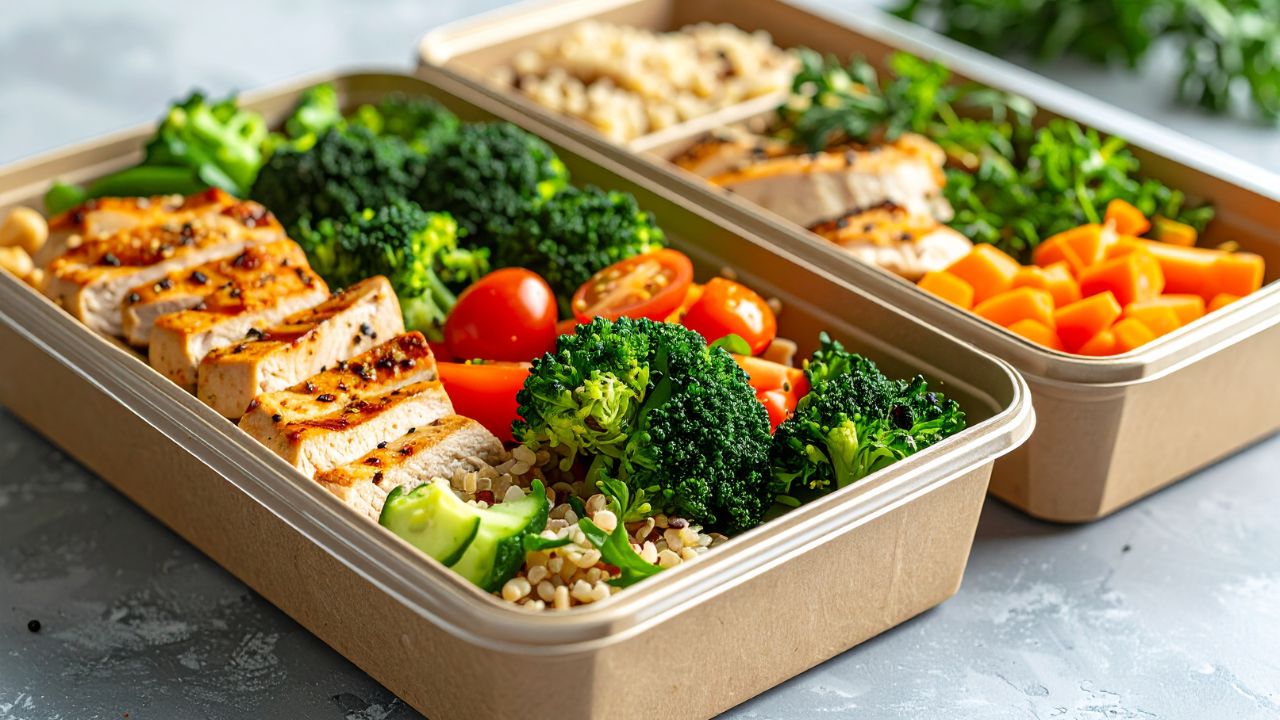
If you are wondering what foods to eat with PKD or how to build a healthy diet for PKD, this is where I recommend most people start: sodium, hydration, and protein. Your doctor may have already recommended that you eat low sodium, stay hydrated, and not overdo protein, they aren't wrong. Sodium, hydration, and protein are the foundational pillars of good nutrition for PKD.2,4
Once you understand why these pillars matter and how they impact polycystic kidneys specifically, it will help support positive and long term dietary changes.
Before jumping into supplements, extreme diets, or complicated protocols, these are the first areas worth evaluating: sodium, hydration, and protein. They are not flashy, but they are powerful and foundational for all other changes within your best diet for PKD.
Start with the foundational pillars of PKD nutrition, check in, and see where you stand, and how you are doing.
Sodium and PKD
Why Sodium Matters
Sodium plays an important role in blood pressure regulation and your body's fluid balance. And because high blood pressure is known driver of PKD progression, sodium intake matters.2,5
Your sodium intake is an important, and a modifiable nutrition factor, because of its connection to blood pressure, kidney workload, and long-term polycystic kidney disease progression.
The challenge is that sodium is hidden in far more foods than you would expect, and it adds up quickly!
It’s not just chips and fast food. Restaurant meals, frozen foods, canned soups, sauces, deli meats, breads, and packaged “health foods” can all contribute significant amounts of sodium throughout the day. Even food that doesn't taste salty may still be high in sodium.
How Much Sodium Is Recommended for PKD?
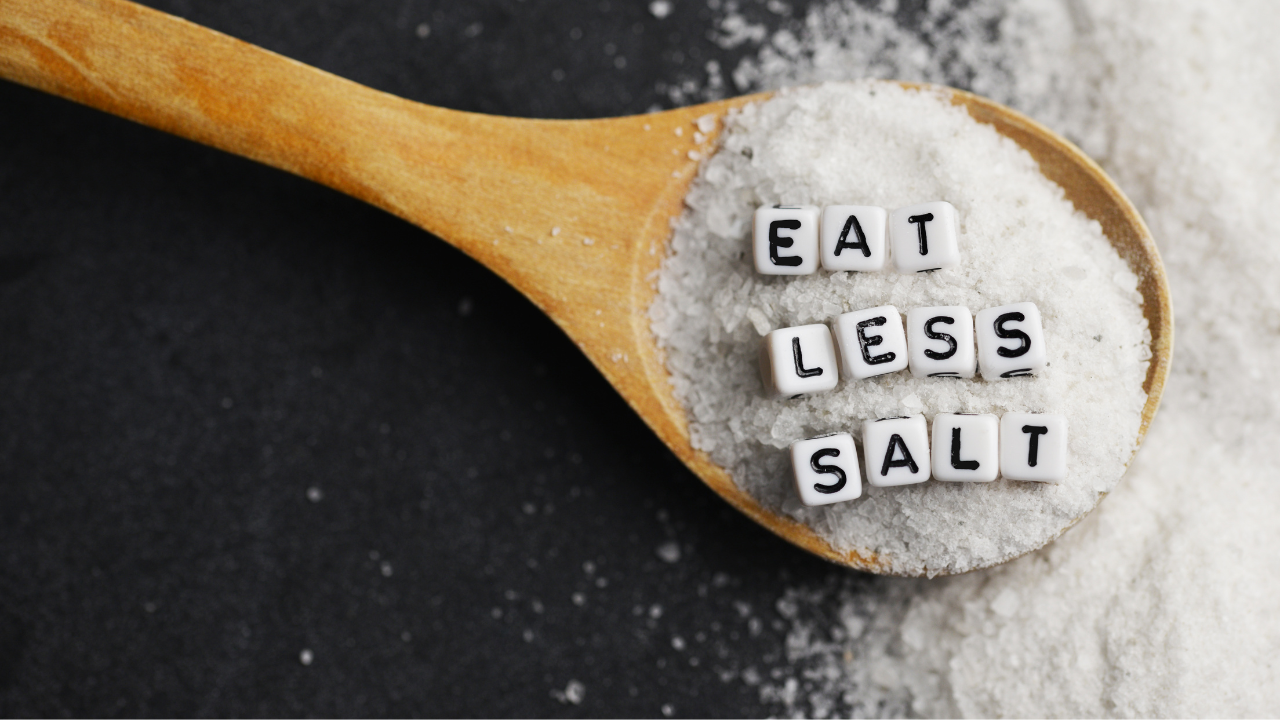
A good goal for many with PKD is to aim for < 2,300 mg of sodium each day. You may benefit from a lower target depending on your blood pressure and kidney function. Often, with my clients, we work toward 2,000 mg or less per day for their sodium goal.2,5
What matters the most initially is that you look at how much you are actually consuming, and where most of your sodium is coming from. Once you know this, set a realistic goal based on your actual intake and work toward reducing it. Your taste buds will adapt as you go. It might be harder at first, but give it 2–3 weeks and you'll likely not miss that excess sodium anymore.
And no, your food does not need to be bland. Using garlic, herbs, vinegars, citrus, spices, and salt-free seasoning blends can make lower-sodium meals taste incredible.
This is where small daily changes add up. If most of your sodium is coming from restaurant meals, packaged foods, sauces, or breads, you do not need to overhaul everything overnight — you need a realistic sodium strategy to reduce your intake. For many people, reducing or removing ultra-processed foods can significantly lower sodium intake without needing to obsess over every single food choice.
Protein and PKD
Why Protein Matters
Protein is an essential nutrient, meaning your body can’t make it on its own and you need to get it through your diet. Amino acids are the building blocks of protein. Your body uses those amino acids from protein to build muscle, repair tissues, make enzymes and hormones, and help fight infections.
But know this, more protein is not automatically better for you.
High protein intake does not improve these functions — and excessive protein intake, beyond what your body needs or your kidneys can handle, places additional stress on the kidneys. Excess protein creates more waste and more work for your kidneys.6,7
That’s why protein balance matters in PKD.
The goal is not to eat as little or as much protein as possible. The goal is to get the right amount of protein for your body, your kidney function, your activity level, and your long-term kidney health.
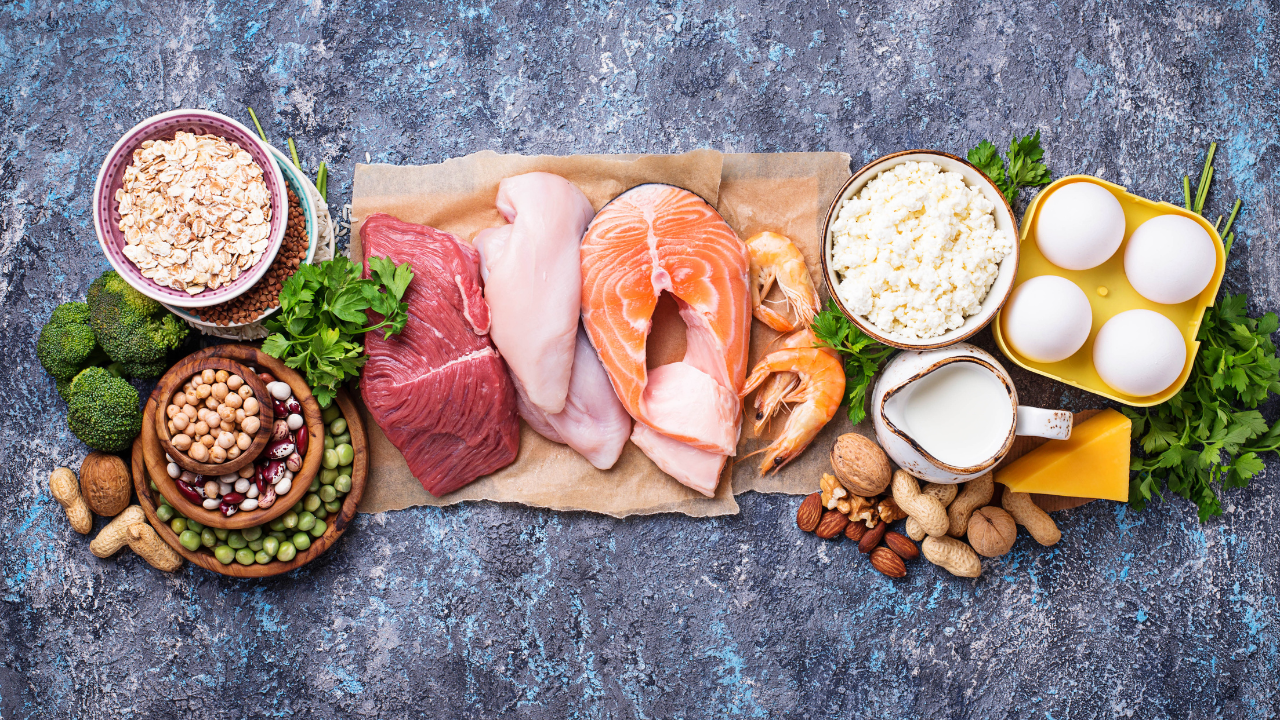
How Much Protein Should You Eat With PKD?
The amount of protein that is right for you depends, well, on you!Several factors impact how much protein is appropriate for you, including your age, sex, activity level, body size, medical history, and kidney function.
A moderate protein intake, which is 0.8–1.0 grams of protein for every kilogram of body weight per day, is a good general recommendation.6
High protein intake, greater than 1.2 grams of protein per kilogram of body weight per day, is not recommended because it contributes extra kidney stress, increased kidney waster and workload, and faster progression risk.6,7
The tricky thing about polycystic kidney disease is that kidney damage happens well before any drop in kidney function, eGFR, shows up. This can lead to the false belief that protein recommendations don't matter and intake isn't impactful on long term kidney health. Just one, of many reasons, I strong discourage a high-protein diet with PKD, even when kidney function looks “normal” on labs.
It’s also worth noting that if your kidney function is lower, your protein needs and recommendations will likely change. As kidney function declines, your kidneys’ ability to filter protein waste decreases, which is one reason protein recommendations are often lower with reduced kidney function.6
Bottom line, your protein needs should be individualized to you.
Does the Type of Protein Matter?
Yes, it does. We know that plant proteins are less stressful on the kidneys compared to larger amounts of animal protein, especially meat based protein.
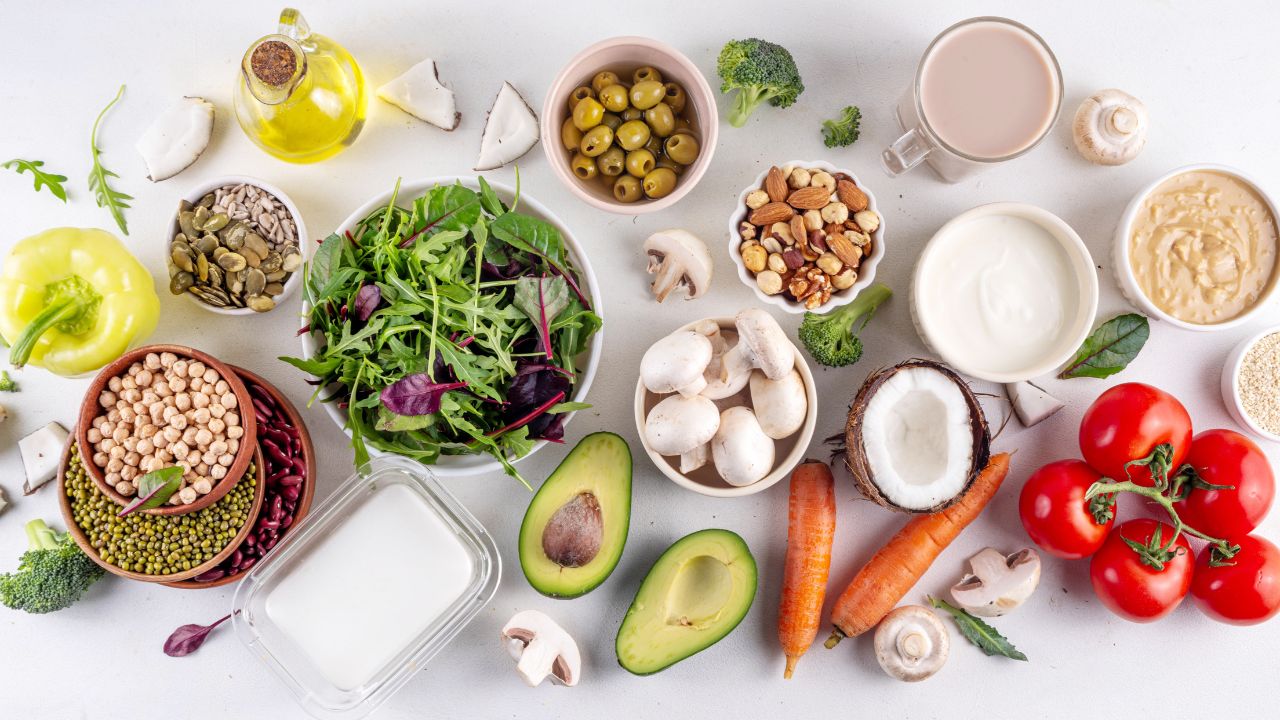
Not only do plant proteins generate less waste and work for your kidneys, but they also provide fiber, antioxidants, and other nutrients that have perks for PKD health.3,8
That does not mean you need to become vegan or vegetarian, but pivoting toward more plants and plant-based proteins supports long-term kidney health with PKD.
This means intentionally building more meals around foods like beans, lentils, tofu, nuts, seeds, vegetables, fruits, and whole-food carbohydrates when appropriate for your labs and kidney function.
Hydration and PKD
Why Hydration Matters
Good hydration is a cornerstone of healthy habits to have for Polycystic Kidney Disease. It's why hydration one of the foundational pillars for PKD nutrition.
Drinking enough fluid, with water the best option, helps keep urine dilute and reduces the risk of kidney stones.
Your hydration patterns also influence the signaling of a hormone called vasopressin, a driver of cyst growth and PKD progression. When your body needs more fluid vasopressin is released and the levels circulating in your body increase. Folks, this happens well before you feel thirsty or dehydrated. It's important to get ahead of vasopressin release by creating, and practicing intentional hydration.1,4,9
This is one reason hydration is uniquely important with PKD. It’s not just about “drinking more water.” It’s about supporting lower vasopressin signaling and creating a more kidney-supportive environment.
How Much Water Should Someone with PKD Drink?
For most people with PKD, a good fluid goal is to aim for 3 liters a day, which is about 100 ounces. Studies show that 3 liters, in general, is adequate for hydration, good urine output, and for not stimulating vasopressin.2,9
With clients, I recommend aiming for those 3 liters to come primarily from water. Any additional fluid from other beverages or food counts as bonus fluid!
It’s best to space your fluid intake throughout the day, but know that you can slow down 2–3 hours before bed to help reduce nighttime bathroom trips.
If you have end-stage kidney disease and have been told to follow a fluid restriction, this 3-liter goal is not for you. And if you are not sure whether you should be limiting your fluid intake, talk with your doctor or dietitian.
Reduce, Remove, or Replace: Lowering Kidney Stressors in PKD
Once your foundational pillars are in place — sodium, hydration, and protein — the next step is to look at what may be adding extra stress, injury, or workload to your kidneys.
This does not mean you need to cut out every food you love or memorize a long list of "PKD foods to avoid". Instead, it means identifying which areas are actually relevant for you.
Some stressors matter because they may contribute to crystal formation, activation of PKD growth pathways, kidney stones, gout, or build up because they are not being removed effectively by the kidneys. These may include:
- Oxalates: The goal is not to remove oxalates completely, but to manage them appropriately.
- Uric Acid: Elevated uric acid levels may contribute to gout flares and kidney stone risk. Certain foods, especially high-purine meats, increase uric acid levels in some people.
- Phosphorus: Especially important as kidney function declines, phosphorus labs rise, or bone disease is a concern. Phosphorus additives in processed foods are especially worth paying attention to. 10,11
These nutrients and compounds are not automatically “bad,” and not everyone with PKD needs to automatically restrict all of them. But for the right person, reducing excess intake or replacing certain foods helps lower kidney stress, reduce stone risk, and support a more kidney-friendly environment.
This is where personalization matters. Two people with PKD can have very different nutrition priorities.
Additional Nutrition and Lifestyle Opportunities for PKD
Healthy Weight and Exercise
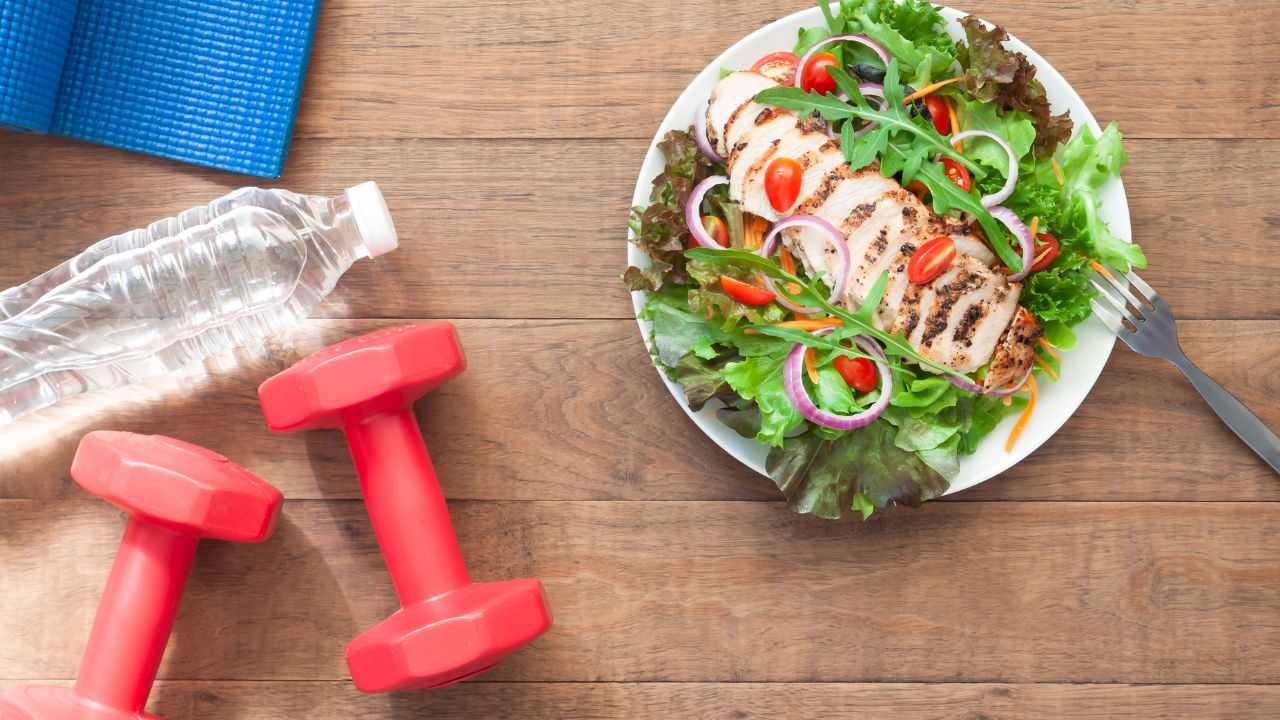
Maintaining a healthy weight and building regular movement into your life helps to support blood pressure, insulin sensitivity, inflammation, heart health, and overall kidney health.
In ADPKD, research has linked being overweight and living with obesity with faster kidney growth, which makes weight and metabolic health important areas to consider.12,13
But this does not mean the goal is extreme dieting or chasing a specific number on the scale.
For PKD, a healthy weight is not just about weight loss. It is about reducing metabolic stress while protecting strength, muscle, energy, and quality of life.
For many people, this may look like walking more often, adding strength training, improving meals, or working toward gradual weight loss when appropriate.
Ketogenic Therapy and PKD
Ketogenic therapy, intermittent fasting, and other metabolic nutrition strategies are becoming increasingly discussed in PKD community, and for good reason. Ongoing research supports that PKD cyst have a different metabolism (how they use energy) compared to other cells in the kidney. Ketogenic therapy targets this by reducing glucose, PKD's prefered energy source. The theory is that ketogenic nutrition therapy reduces the energy available for PKD growth pathways involved in cyst growth and multiplication.14,15
This is still an emerging area of research, and there is a big difference between a carefully planned, kidney-safe ketogenic approach and the “internet keto” advice that gets thrown around online. I have been working with PKD clients, developing safe ketogenic and kidney-friendly diets since 2018.16
I believe anyone attempting ketogenic therapy for PKD should work with, and be followed by a well informed dietitian. It is medical therapy after all, and I have seen and personally heard too many scary end result and impact stories to suggest you go it alone.
In my opinion, one of the biggest mistakes people make is assuming keto for PKD means unlimited meat, excessive protein, butter-loaded coffee, or expensive supplement lists. That is not what the research supports, and in many cases, it creates additional kidney stress and damage rather than reducing it.
If ketogenic therapy is used for PKD, it should be individualized and designed with kidney health in mind. In many cases, that means a more plant-forward approach, attention to hydration and electrolytes, appropriate protein intake, and careful monitoring of overall nutritional status.
It is also important to recognize that ketogenic therapy, while the most aggressive nutrition therapy we have for PKD, is not appropriate for everyone and is not the only nutritional opportunity for PKD health.
Prevent, or Treat, Known PKD Complications
PKD nutrition is not only about slowing progression, it's also about preventing and managing known complications.
Nutrition plays a role in supporting: 2,6,10,11
- kidney stone prevention
- anemia management, or prevention
- mineral bone health
- blood pressure management
- gout
- Inflammation
- cardiovascular health
- blood sugar balance
This is one of the reasons I don't believe in one-size-fits-all PKD diet advice. Your best nutrition strategy should change as your labs, kidney function, symptoms, and risks change.
The goal is to know what you are trying to prevent, what your labs are showing, and where nutrition can make the biggest difference.

Nutrients and Supplements for PKD
Supplements can be helpful, but don't just start adding stuff at random! Just because a supplement "worked" for someone online doesn't mean you should take it. Not all supplements are kidneys-safe, and some are simply a waste of money.
The best supplement plan is one that fills actual gaps, avoids unnecessary risk, and supports your specific PKD health goals. For many folks I work with, the supplements they are taking aren't at the therapeutic level they need, how much matters and should be targeted.
During the initial deep dive session with new clients, we review the supplements they are currently taking, recently stopped, or have questions about. By the end of that first session, they know what to start, stop, continue, and adjust. They also know why they are taking each supplement and what the desired outcome and impact is.
This is what I mean by intional and targeted supplementation.
And this matters because many supplements may not be appropriate with lower kidney function, certain medications, kidney stones, or changes in electrolytes.6
Why Personalization Matters for PKD Nutrition
The best PKD diet is not a generic meal plan or simply a list of foods to avoid. It is a strategy — one built on the foundations of good nutrition for PKD.
It should consider your kidney function, kidney size, blood pressure, labs, medications, kidney stone risk, symptoms, weight goals, lifestyle, food preferences, and what you can realistically maintain long term.
For one person, the biggest opportunity may be sodium and hydration. For another, it may be protein balance or metabolic health. For someone else, it may be ketogenic therapy, anemia support, or mineral bone disease prevention.
PKD is not just “regular kidney disease with cysts.” It has unique nutrition considerations, and your nutrition plan should reflect that.
This is why PKD nutrition works best when it is personalized.
Ready for a PKD Nutrition Strategy That Fits You?
If you are feeling overwhelmed by conflicting PKD nutrition advice, you do not have to figure it out alone.
A PKD Clarity Call is the first step toward understanding your biggest nutrition opportunities, what matters most for your stage of PKD, and whether a personalized nutrition approach is the right fit for you.
Together, we’ll look at where you are now, what your labs and medical history suggest, and which nutrition strategies may best support your kidneys and long-term health.
Schedule a PKD Clarity Call
No pressure, no extreme protocols — just personalized, science-based guidance for PKD.
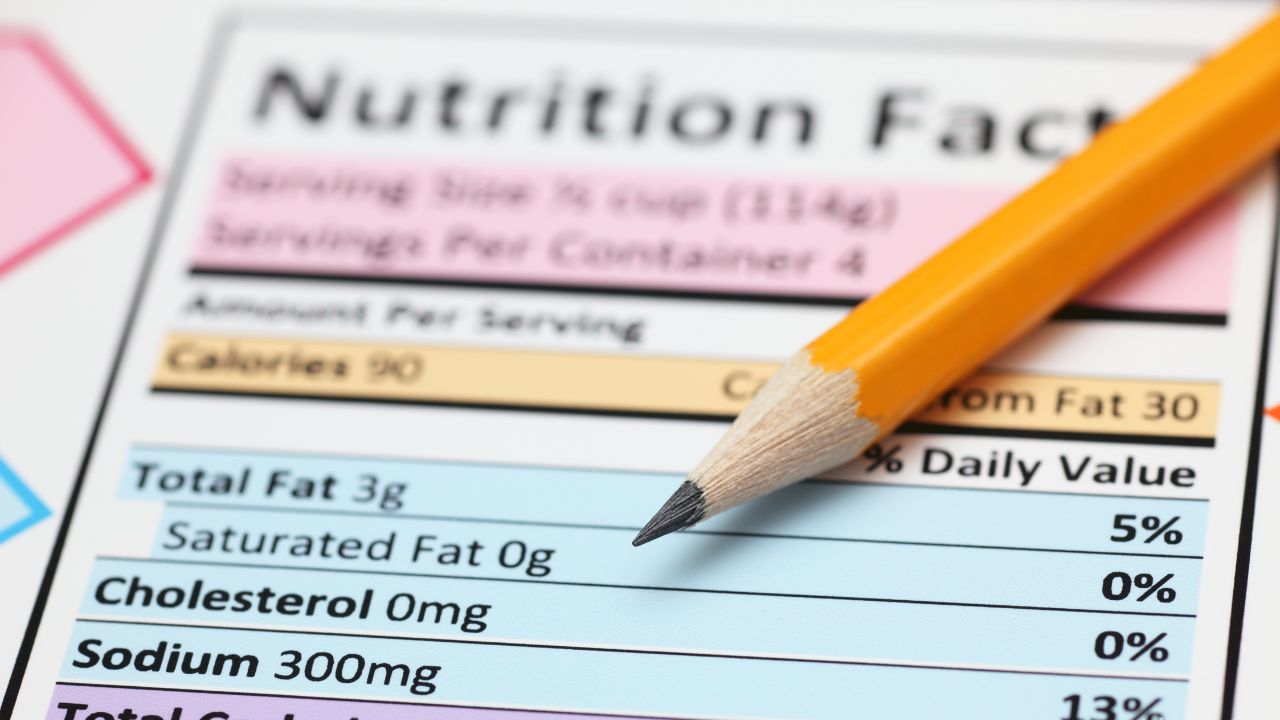
In Summary: PKD Diet Numbers to Know
These are general starting points, not personalized medical advice. Your targets may differ based on kidney function, blood pressure, labs, medications, body size, and overall health.
These numbers are not meant to be a rigid rulebook. They are a starting point to help you understand what a healthy PKD diet can look like in real life.
- Sodium: Aim for < 2,300 mg/day. Many people with PKD benefit from working toward < 2,000 mg/day.
- Protein: Moderate protein intake of 0.8–1.0 g/kg of body weight/day. Protein needs should be individualized, especially with lower kidney function.
- Animal protein: Meat in moderation, with a shift toward more plant-forward meals and protein sources.
- Fluids: Aim for around 3 liters/day unless you have been told to restrict fluids.
- Fiber: Aim for at least 25–30 grams/day.
- Food pattern: Shift toward more plants, whole foods, balanced protein intake, and fewer ultra-processed foods and added sugars.
The Bottom Line: What Is a Good Diet for PKD?
It starts with the foundational pillars: sodium, hydration, and protein. From there, it becomes about identifying which stressors are worth reducing, removing, or replacing based on your needs and goals.
Then it may include additional opportunities like healthy weight support, ketogenic therapy, complication treatment or prevention, and targeted nutrients and supplementation.
The goal is not to do everything at once. The goal is to understand where to start, what matters most for you, and how to build a way of eating that supports both your kidneys and your life.
Because your PKD nutrition plan should not leave you feeling more overwhelmed.
It should help you feel clearer, more confident, and more in control of your health.
Frequently Asked Questions About the PKD Diet
What is the best diet for PKD?
There is not one single “perfect” diet for polycystic kidney disease (PKD). In general, the best diet for PKD focuses on foundational nutrition strategies like sodium reduction, good hydration, balanced protein intake, mostly whole foods, and supporting overall kidney and heart health. The best PKD diet should also be individualized to your kidney function, labs, blood pressure, risk factors, lifestyle, and long-term health goals.
What foods should you eat with PKD?
A healthy diet for PKD is usually built around mostly whole foods like vegetables, fruits, beans, lentils, nuts, seeds, healthy fats, and balanced portions of protein. Many people with PKD also benefit from reducing excess sodium and ultra-processed foods. The goal is not perfection or extreme restriction, but creating a sustainable eating pattern that supports kidney health long term.
What foods should you avoid with PKD?
There is not one universal list of foods everyone with PKD must avoid. However, many people with PKD benefit from limiting excess sodium, ultra-processed foods, excessive protein intake, and certain kidney stressors depending on their labs and medical history. Some people may also need to pay attention to oxalates, phosphorus additives, or high-purine foods based on kidney stone risk, gout, or kidney function.
Is protein bad for PKD?
Protein is not bad for PKD, but balance matters. Your body needs protein to maintain muscle, immune function, hormones, and overall health. However, excessive protein intake increases your kidney workload, waste to remove and stress. For many people with PKD, a moderate protein intake is a good starting point, though recommendations should always be individualized. How much protein plus what type do matter when it comes to your kidney health.
How much water should someone with PKD drink?
3 liters of fluid per day, unless they have been told to limit fluids. Good hydration is important in PKD because it supports lower vasopressin signaling, which is one of the drivers of cyst growth. Water is your best fluid choice.
Is keto good for PKD?
Early studies and research show ketogenic therapy and other metabolic nutrition strategies may influence pathways involved in PKD progression. However, there is a big difference between a carefully planned, kidney-safe ketogenic approach and the “internet keto” advice shared online.
Keto for PKD should not mean excessive protein, unlimited meat, or extreme low-carbohydrate protocols. In many cases, these approaches create additional kidney stress, work and damage rather than reducing it. Ketogenic therapy is a medical nutrition therapy and should ideally be developed and monitored with a dietitian experienced in PKD and kidney health.
