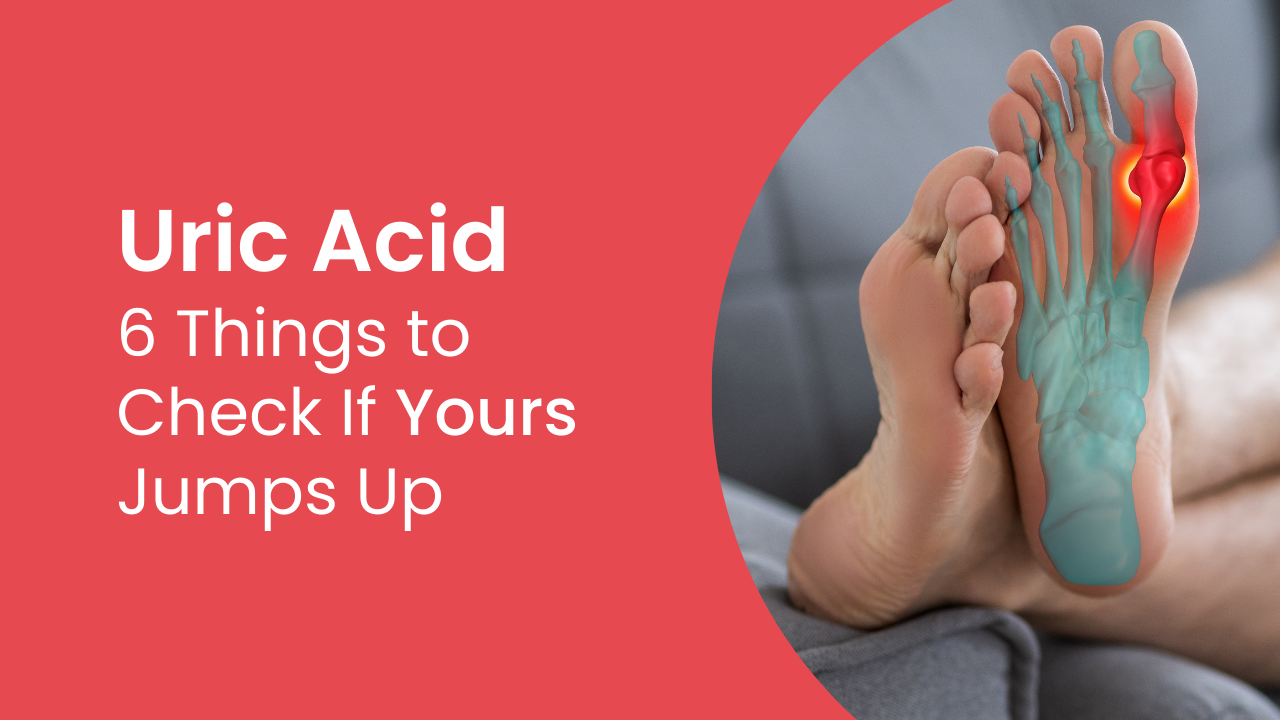
Uric Acid & ADPKD: 6 Things To Check If Yours Jumps Up
Dec 10, 2025Uric acid is a waste your kidneys filter out of your blood. Levels can be influenced by factors you can change, like diet and hydration, as well as factors you can’t, like genetics. In this blog, you’ll learn why uric acid matters with PKD, why it's important to keep an eye on your levels, plus get 6 key areas to check in with if your level jumps up.
What Is Uric Acid?
Uric acid (UA) is a natural waste that comes from the breakdown of purines. About 70% of the uric acid in your body comes from your body's normal metabolic processes. Basically, your body produces a significant amount of acid just by being alive. How much is often determined by genetics.
The remaining 30% generally comes from dietary sources, specifically from purine-rich foods like red meat, organ meats, and some fish.
Other factors, beyond your genetics and diet, can also affect your uric acid blood levels—and are worth knowing about. These include medications, hydration status, hormones, supplements, kidney function, obesity, and even your gut health.
How Are The Kidneys Involved?
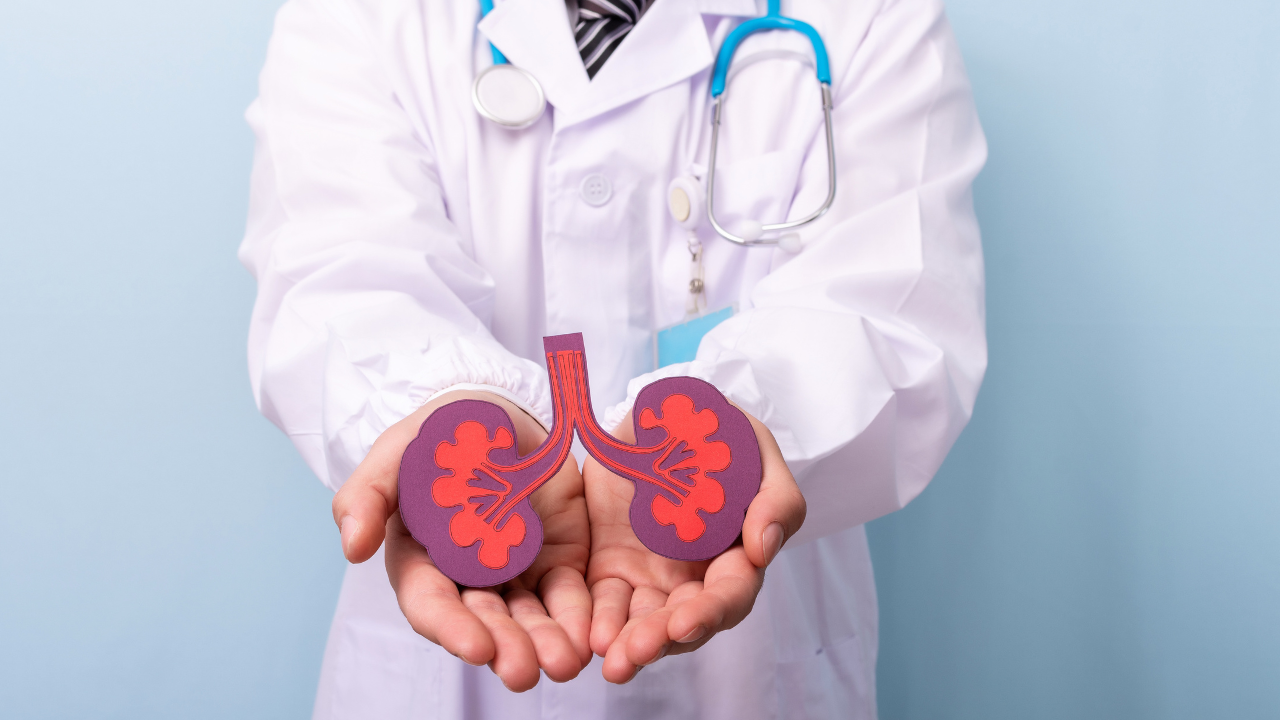
Your kidneys are responsible for filtering uric acid from your blood into urine, where you can get rid of it. With both overproduction of uric acid or decreased removal because of lower kidney function (lower eGFR), blood levels can become elevated beyond what's considered normal. High uric acid isn’t just a joint problem—it's a kidney concern, especially for people with polycystic kidney disease. With chronically elevated uric acid levels:
-
Crystals can form, potentially damaging the kidneys (chronic urate nephropathy).
-
Kidney stones can develop, especially when urine is acidic.
-
Trigger Cyst growth pathways, similar to what happens with excess oxalate crystals.
For a deeper dive, check out Uric Acid & PKD, it goes into what you need to know around how uric acid can impact polycystic kidneys.
What Can You Do?
Start by knowing your numbers and risks:
- Look at your lab history for uric acid, what are the trends?
-
Get tested yearly, at minimum.
-
If levels are high or rise suddenly, ask why and explore potential causes.
6 Things to Check If Your Uric Acid Levels Rise
If your uric acid jumps, don’t panic—but do investigate.
Ask yourself: “What outside could be impacting how much I am making, or impacting how much I can get rid of?”
To help answer that, here are six important factors to check in with. A practical checklist to run through if your uric acid levels jump.
1. Kidney Function Changes
Look at your labs. Has your kidney function (eGFR) gone down? Your kidneys filter waste, and uric acid is a waste. With a drop in kidney function, your kidneys aren’t filtering at full capacity and may not be able to clear uric acid waste effectively. This can lead to higher blood levels.
What can you do? Talk to your nephrologist, look at your overall kidney health and function. Work with your Dietitian to support PKD kidney health and preserve function.
2. Dietary Intake
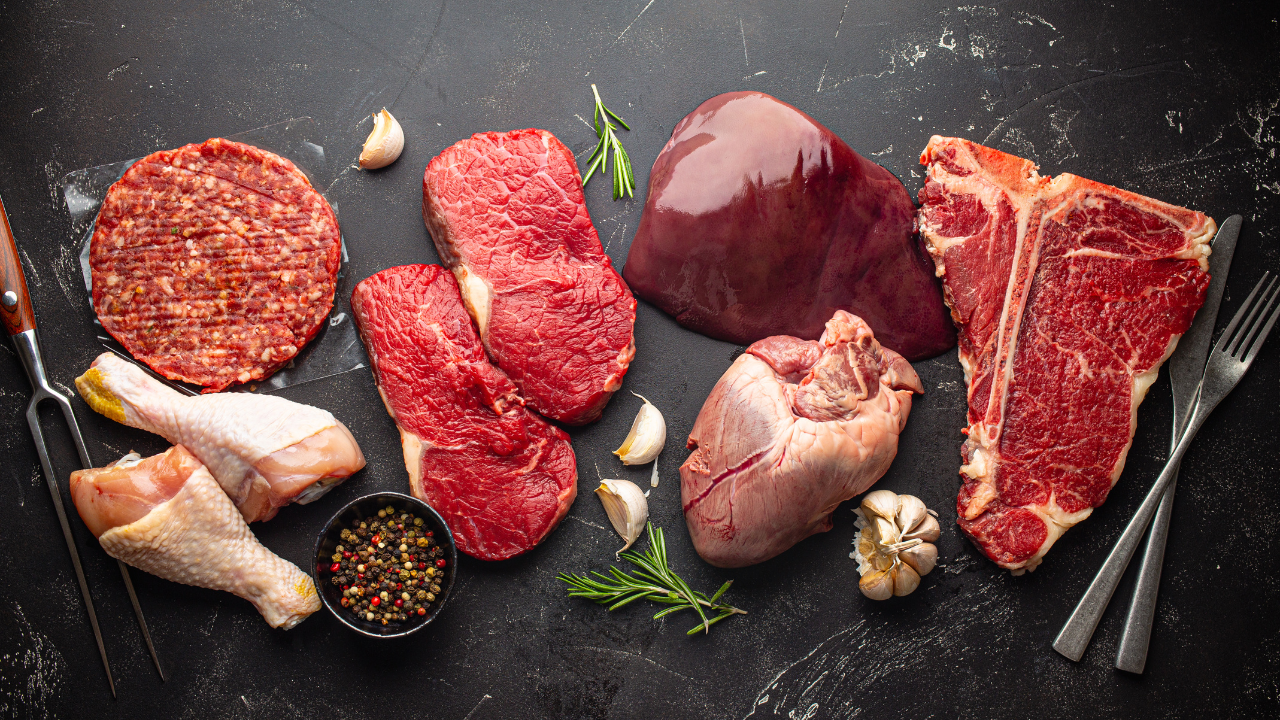
Take an honest look at your recent eating patterns. Have you been eating more meat? Red meat (beef, lamb, pork), organ meat, and some fish (mackerel, sardines) are packed with purines. When digested, those purines get broken down into uric acid waste. Meat is a major source of purines and a dietary source.
What can you do? Track your protein sources and intake for a week to get a clear picture of your meat (aka purine) intake. How often do you have a meal with meat? How big is your portion? Is this a good amount for you and your kidney function?
If you aren’t sure what a good protein intake is, 100% work with a renal dietitian to find the right balance for you.
3. Hydration & Beverages
How much, and what you are drinking, are worth exploring. If your uric acid jumped up, ask yourself - how hydrated was I? If you were dehydrated, this can concentrate your UA and create higher results.
Certain beverages can also impact your uric acid levels. Ask yourself, have I started, or do I regularly drink soda or juice that is sweetened with high-fructose corn syrup (HFCS)? Intake of added HFCS has been shown to impact uric acid levels and trigger gout flares. Additionally, beer, especially dark beers, is purine-rich, and consumption can increase uric acid levels and also trigger gout flares.
What can you do? Stay well-hydrated and reduce sugary drinks and alcohol. If you aren't sure what your labs show around hydration and uric acid, ask your dietitian or doctor to have a look at them; they will be able to tell you if hydration was a factor.
4. Supplements
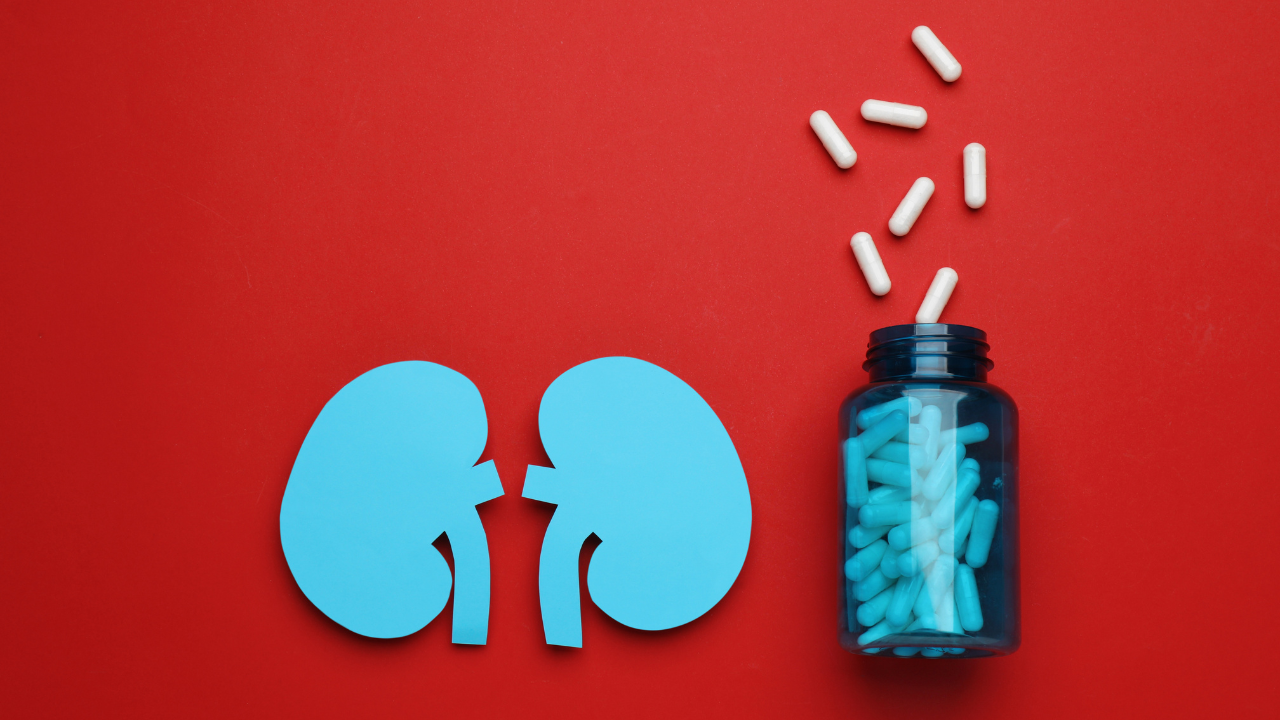
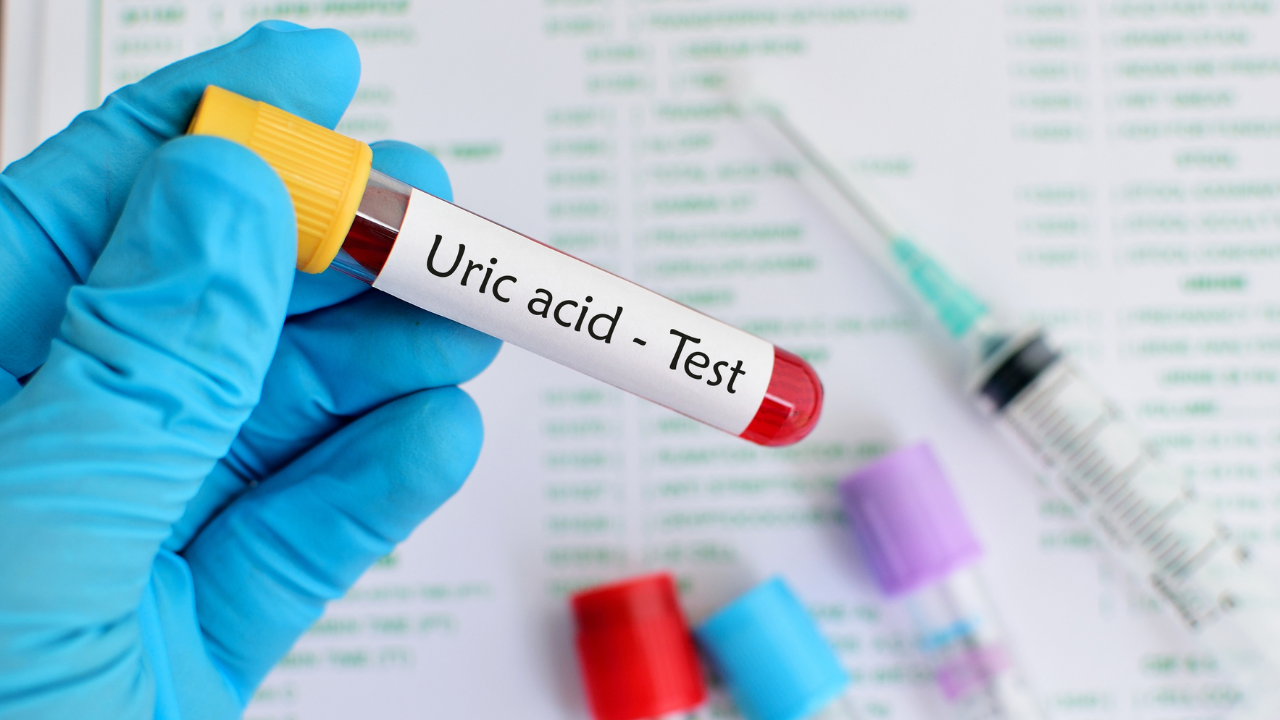
Yes...supplements can impact your uric acid levels. If yours jumps, it's worth checking in with your supplements to see if one of them is contributing.
Supplements that can increase uric acid:
-
High-dose Niacin (Vitamin B3)
-
High-dose Vitamin C
-
High-dose Vitamin A
-
Protein powders
What can you do? Review any recently started supplements, and even ones you have been taking more consistently. If you're considering a supplement run it by your MD or dietitian for review.
Even better, schedule a lab, supplement, and kidney health review with me to get a clear picture of how your supplements may be affecting uric acid. Schedule a Lab & Kidney Health today! You will finally know if your supplements are helping or hurting, and if you are at a good dose for your goals.
5. Medications

Yes...medication can raise uric acid levels, often because they affect how much uric acid is excreted.
Medications commonly prescribed with PKD that could increase levels are:
- Diuretics (water pills), hydrochlorothiazide (HCTZ)
- Low-dose aspirin
- Tolvaptan (Jynarque)
- Testosterone
- Blood pressure meds like Losartan, Lisinopril, calcium channel blockers
What can you do? If uric acid starting rising after starting a new medication, check in with your doctor. Ask if that medication could be affecting your levels and if follow-up labs are needed.
6. Hormones (Especially for Women 40–50 years old)

Estrogen has a protective effect throughout the body — it helps promote the removal of uric acid waste. During perimenopause (when estrogen levels drop), uric acid levels may increase. Many of my clients see a rise in uric acid during this phase of life. If you are 40-50 years old and see your levels jump, this could be you!
What can you do? This is a tough one because it is a normal body process. Talk to your doctor, check in if HRT (hormone replacement therapy) is an option for you. A lot of different factors are involved when it comes to risk vs. benefits of HRT for women who have polycystic kidney disease including blood pressure, history of aneurysms, PLD (polycystic liver disease), and any history of blood clots.
Bottom Line
Uric acid is a waste your kidneys work hard to filter—and for people with PKD, it’s one worth understanding. Diet, medications, hydration, hormones, and other modifiable factors can all influence your lab results. When you understand why it changes and what drives those shifts, you regain control. Instead of fearing a high result, use it as a cue to check in with your diet, hydration, supplements, medications, kidney function, and hormones.
Small adjustments can make a meaningful difference. And with the right support—from your nephrologist and a renal dietitian—you can navigate uric acid changes confidently and keep protecting your kidneys for the long run. Your kidneys work hard every day; staying aware of markers like uric acid and taking thoughtful action gives them the best support on your PKD journey.
Take Action:
-
Track trends over time – Look for patterns, not just a single lab.
-
Review potential causes – Diet, hydration, supplements, medications, kidney function, and hormones.
-
Adjust your diet wisely – Moderate high-purine foods like organ meats, sardines, mackerel, shellfish, and red meat. Emphasize plant-focused proteins, fruits, vegetables, and nuts.
-
Stay hydrated – Water helps your kidneys flush uric acid, skip sugary drinks.
-
Work with your care team – Stay connected with your nephrologist and renal dietitian to manage uric acid in a PKD-specific way.
-
Act proactively – Small, consistent steps—tracking labs, adjusting your diet, and staying informed—support better long-term kidney health.
References
- Brosnahan GM, You Z, Wang W, Gitomer BY, Chonchol M. Serum Uric Acid and Progression of Autosomal Dominant Polycystic Kidney Disease: Results from the HALT PKD Trials. https://pmc.ncbi.nlm.nih.gov/articles/PMC7887140/
- Helal I, Fick‑Broennan G, et al. Serum Uric Acid, Kidney Volume, and Progression in Autosomal-Dominant Polycystic Kidney Disease. https://pubmed.ncbi.nlm.nih.gov/23222419/
- Kaehny WD, Tangel DJ, Johnson AM, Kimberling WJ, Schrier RW, Gabow PA. Uric acid handling in autosomal dominant polycystic kidney disease with normal filtration rates. https://pubmed.ncbi.nlm.nih.gov/2368793/
- Dissanayake LV, Palygin O. Is there a role for uric acid in polycystic kidney disease progression? https://pubmed.ncbi.nlm.nih.gov/38900704/
- Zhou JX, Torres VE. Drug repurposing in autosomal dominant polycystic kidney disease. https://pubmed.ncbi.nlm.nih.gov/36870435/
- Johnson RJ, Sanchez Lozada LG, Lanaspa MA, Piani F, Borghi C. Uric Acid and Chronic Kidney Disease: Still More to Do. https://pubmed.ncbi.nlm.nih.gov/36815099/
- Mejías E, Navas J, Lluberes R, Martínez-Maldonado M. Hyperuricemia, gout, and autosomal dominant polycystic kidney disease. https://pubmed.ncbi.nlm.nih.gov/2923134/
- Hak AE, Choi HK. Menopause, postmenopausal hormone use and serum uric acid levels in US women--the Third National Health and Nutrition Examination Survey. https://pmc.ncbi.nlm.nih.gov/articles/PMC2592803/
- Eun Y, Kim IY, Han K, Lee KN, Lee DY, Shin DW, Kang S, Lee S, Cha HS, Koh EM, Lee J, Kim H. Association between female reproductive factors and gout: a nationwide population-based cohort study of 1 million postmenopausal women. https://pmc.ncbi.nlm.nih.gov/articles/PMC8675498/
- Choi HK, Gao X, Curhan G. Vitamin C intake and the risk of gout in men: a prospective study. https://pmc.ncbi.nlm.nih.gov/articles/PMC7926958/
- Juraschek SP, Miller ER 3rd, Gelber AC. Effect of oral vitamin C supplementation on serum uric acid: a meta-analysis of randomized controlled trials. https://pubmed.ncbi.nlm.nih.gov/18464304/
- Liu XX, Wang XX, Cui LL. Association between Oral vitamin C supplementation and serum uric acid: A meta-analysis of randomized controlled trials. https://pubmed.ncbi.nlm.nih.gov/34280483/
- Brzezińska O, Styrzyński F, Makowska J, Walczak K. Role of Vitamin C in Prophylaxis and Treatment of Gout-A Literature Review. https://pmc.ncbi.nlm.nih.gov/articles/PMC7926958/
- Aihemaitijiang S, Zhang Y, Zhang L, Yang J, Ye C, Halimulati M, Zhang W, Zhang Z. The Association between Purine-Rich Food Intake and Hyperuricemia: A Cross-Sectional Study in Chinese Adult Residents. https://pmc.ncbi.nlm.nih.gov/articles/PMC7765492/
- Zhang Y, Chen C, Choi H, Chaisson C, Hunter D, Niu J, Neogi T. Purine-rich foods intake and recurrent gout attacks .https://pmc.ncbi.nlm.nih.gov/articles/PMC3889483/
- Choi HK, Atkinson K, Karlson EW, Willett W, Curhan G. Purine-rich foods, dairy and protein intake, and the risk of gout in men.https://pubmed.ncbi.nlm.nih.gov/15014182/
- Zgaga L, Theodoratou E, Kyle J, Farrington SM, Agakov F, Tenesa A, Walker M, McNeill G, Wright AF, Rudan I, Dunlop MG, Campbell H. The association of dietary intake of purine-rich vegetables, sugar-sweetened beverages, and dairy with plasma urate in a cross-sectional study. https://pmc.ncbi.nlm.nih.gov/articles/PMC3368949/
- Jakše B, Jakše B, Pajek M, Pajek J. Uric Acid and Plant-Based Nutrition. https://pmc.ncbi.nlm.nih.gov/articles/PMC6722549/
- Helget LN, Mikuls TR. Environmental Triggers of Hyperuricemia and Gout. Rheum Dis Clin North Am. https://pmc.ncbi.nlm.nih.gov/articles/PMC10351897/
- Irazabal MV, Torres VE, Hogan MC, Glockner J, King BF, Ofstie TG, Krasa HB, Ouyang J, Czerwiec FS. Short-term effects of tolvaptan on renal function and volume in patients with autosomal dominant polycystic kidney disease. https://pubmed.ncbi.nlm.nih.gov/21544064/
- Choi HK, Soriano LC, Zhang Y, Rodríguez LA. Antihypertensive drugs and risk of incident gout among patients with hypertension: population-based case-control study. https://pmc.ncbi.nlm.nih.gov/articles/PMC3257215/
- Scott JT. Drug-induced gout. https://pubmed.ncbi.nlm.nih.gov/2070427/
- Bellos I. Safety Profile of Tolvaptan in the Treatment of Autosomal Dominant Polycystic Kidney Disease. https://pmc.ncbi.nlm.nih.gov/articles/PMC8254589/
- Zhang Y, Chen S, Yuan M, Xu Y, Xu H. Gout and Diet: A Comprehensive Review of Mechanisms and Management. https://pubmed.ncbi.nlm.nih.gov/36079783/
- Zhang C, Li L, Zhang Y, Zeng C. Recent advances in fructose intake and risk of hyperuricemia. https://pubmed.ncbi.nlm.nih.gov/33152951/
- Ali Osman Polat, Şeyda Gül Özcan, Mevlut Tamer Dincer, Sinan Trabulus, Nurhan Seyahi, #3786 Dose-dependent effects of tolvaptan on serum uric acid levels in ADPKD patients. https://academic.oup.com/ndt/article/40/Supplement_3/gfaf116.1477/8295790
